If you work with PVC sheets—whether you’re a fabricator, a builder, a designer, or even a hobbyist—you know cutting this versatile material isn’t just about getting a straight line. It’s about preserving its structural integrity, avoiding chipping or cracking, and ending up with edges that are clean enough to weld, glue, or finish for your project. As a PVC sheet supplier, I’ve spent thousands of hours walking customers through this exact process, troubleshooting mistakes, and refining techniques that work for different types of PVC. Today, I’m breaking down the most reliable methods I’ve learned, plus the tools and tips that save my clients time and money. First, a quick note: not all PVC is the same. Rigid PVC (often called PVC-U for unplasticized), which is the most common for signage, construction, and automotive trim, cuts very differently from flexible PVC (PVC-P), used for inflatables, packaging, or medical tubing. I’m focusing on rigid PVC here, as it’s the material most of my customers order, but I’ll add a quick note on flexible at the end. PVC

Let’s start with the basics that no supplier should ever skip: prep work. Cutting PVC without planning is a fast track to frustration. First, always measure twice—PVC cuts cleanly, but it’s unforgiving if you mess up a 4×8 sheet. Once you have your dimensions, mark the cut line clearly. I recommend a fine-tip permanent marker and a straight edge (aluminum rulers work great, but steel is better for longer cuts) and double-check that your line is perfectly straight, no wiggles. Next, secure the sheet. PVC is lightweight enough that it will vibrate or shift under a saw blade, leading to a crooked cut or dangerous kickback. For small pieces, clamps to a workbench work fine. For large 4×8 or 5×10 sheets, I always suggest using sawhorses spaced a foot or so apart, so the entire length of the PVC is supported when you cut. If you’re cutting near the edge of a sheet, leave at least an inch of overhang beyond the sawhorse—this keeps the material from sagging, which causes uneven cuts. One common mistake I see: cutting on a soft workbench or carpet. The material bends, and the blade will bind, leading to rough edges. Always use a rigid, flat surface.
Now, let’s get to the methods. The first and most popular method for small to medium cuts is score and snap. This is perfect for hobbyists or small jobs where you don’t have a power saw, and it works like a charm for PVC sheets up to 1/4-inch thick. Here’s how to do it right: after marking your line, clamp the straight edge firmly over the line, so the edge of the ruler sits exactly on the mark. Take a utility knife with a sharp, new blade—dull blades will tear the PVC instead of scoring it. Run the knife firmly along the line 5 to 10 times, applying consistent pressure each time. You’ll want to cut through the outer PVC skin and about halfway into the thickness of the sheet. Once you’ve scored all the way along the line, lift the sheet so the scored line hangs over the edge of your workbench or sawhorse. Hold one side down firmly with your hand or a clamp, and press down on the overhanging side with a quick, firm snap. The PVC will break cleanly along the score line. I’ve used this method for years for small signage blanks and trim pieces, and it leaves a surprisingly clean edge—though you’ll want to sand the edge lightly with 220-grit sandpaper to smooth any tiny burrs. The only downside is that it’s not ideal for cuts longer than 4 feet, and it’s not great for sheets thicker than 1/4-inch—you’ll need a much deeper score, and the break can be uneven.
For cuts that need to be longer, straighter, or on thicker sheets (1/4-inch to 1/2-inch), a circular saw is the way to go. But not just any circular saw—you need the right blade. This is a mistake many first-time PVC cutters make: using a standard wood blade. Wood blades have large, widely spaced teeth that will tear the PVC, leaving rough, jagged edges and even melting the material. For PVC, you need a fine-tooth carbide-tipped blade, with at least 60 teeth, and ideally a triple-chip grind. The smaller the teeth, the cleaner the cut—each tooth cuts a small sliver instead of gouging a big chunk. Before you start cutting, set the blade depth so that only 1/8-inch of the blade extends below the sheet. Too much depth will cause the blade to bite too hard, leading to kickback, and it will also create a rougher cut on the bottom edge. Next, invest in a plywood or plastic cutting shoe for your circular saw. The standard aluminum shoe can scratch the surface of PVC, and the plastic one creates a smoother, more guided cut. Also, always wear eye protection and a dust mask—PVC dust is fine, and while not toxic in small amounts, it can irritate your lungs, and flying chips can be sharp. When you run the saw, keep the blade moving at a steady, slow pace. Don’t rush—let the teeth do the work. If you push too fast, the blade will bind, and you’ll get a burnt, uneven edge. If you’re cutting a sheet with a protective plastic film (which I always recommend my customers leave on until after cutting, to avoid scratches), make sure the film is taut and free of bubbles under the saw.
Another great option for medium to thick PVC sheets is a table saw. Table saws give you even more control than circular saws, especially for long, straight cuts. The same blade rule applies here: a fine-tooth carbide blade with 60+ teeth is non-negotiable. A table saw’s fence makes it easy to get a perfectly straight, repeatable cut, which is why many of my commercial customers use table saws for their bulk orders. Just like with a circular saw, set the blade depth to only 1/8-inch below the sheet, and never force the material through the saw. Feed the PVC into the blade at a consistent speed, keeping both hands on the material well away from the blade. If you’re cutting thin PVC (1/8-inch or less), a jigsaw can work in a pinch, but it’s not my first choice. Jigsaws can cause chipping, especially on the top edge of the cut. If you do use a jigsaw, use a fine-tooth blade (10+ teeth per inch, metal cutting blades work well) and place a piece of scrap wood on either side of the cut line to support the material and prevent splintering.
For precision cuts—like notches, holes, or custom shapes—you’ll want to use a router or a CNC router, if you have access to one. Routers give you the ability to make intricate cuts with very clean edges, perfect for custom signage, architectural trim, or custom parts. Again, use a fine-tooth router bit, and take multiple shallow passes instead of one deep cut to avoid melting the PVC. For holes, a hole saw made for plastic or metal works better than a standard wood hole saw. Drill slowly, and use a lubricant like soapy water if you start to notice melting—this keeps the bit cool and prevents the PVC from fusing to the hole saw.
Now, let’s talk about the most common mistakes I see, and how to avoid them. First, melting. This happens when the blade is dull, the blade depth is too deep, or you’re cutting too fast. If you notice fumes or a shiny, sticky edge after cutting, you’ve melted the PVC. To fix this, use a piece of 320-grit sandpaper to sand the edge smooth, and consider swapping out for a sharp, fine-tooth blade next time. Second, chipping. Chipping usually happens when the blade has too few teeth, or the material shifts while cutting. Make sure the sheet is clamped securely, use the right blade, and for the top edge of cuts, you can place a piece of masking tape along the cut line to prevent small chips from pulling out as the blade exits. Third, uneven edges. This is almost always from a bad straight edge, or not clamping the material properly. Double-check your straight edge, and make sure it’s sitting flat against the PVC before cutting.
For flexible PVC, the process is a little different. Flexible PVC is thinner and more bendable, so score and snap works for thin pieces up to 1/8-inch, but for thicker flexible PVC or cuts that need to be clean, a pair of sharp aviation snips works great, or even a rotary cutter for straight lines. Just like with rigid PVC, avoid dull tools—they will tear the flexible material instead of cutting it.
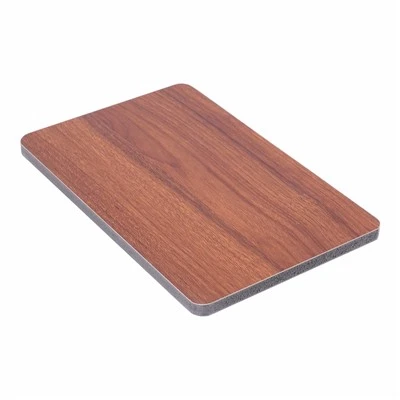
As a PVC sheet supplier, my job isn’t just to sell materials—it’s to make sure my customers can use them successfully. I always tell new customers that practicing on a scrap piece of PVC is a great idea before you cut your final project. Grab a small scrap from your order, test your tool, and adjust your technique until you get the cut you want. If you’re working on a large project or need help choosing the right tool for your material thickness, feel free to reach out. Cutting PVC doesn’t have to be stressful—with the right prep, tools, and technique, you can get clean, precise cuts every time that set your project up for success. Whether you’re a small business doing custom signage, a builder working on residential trim, or a hobbyist tackling a weekend project, we can help you get the PVC sheets you need, plus guidance to get the perfect cut. If you’d like to discuss your project requirements, place an order, or ask more questions about working with PVC sheets, get in touch with our team to start your procurement conversation.
SPC References:
- Plastic News. (2022). Best Practices for Cutting Rigid PVC Sheets for Architectural Applications.
- Fabricator Magazine. (2021). Tool Selection Guide for PVC Cutting and Finishing.
- University of Wisconsin Extension. (2020. Workbook for Working with Thermoplastic Sheets in Small-Scale Manufacturing.
- PVC Association. (2023). Safety and Efficiency Guidelines for Rigid PVC Cutting Operations.
Shandong Diman International Trade Co., Ltd.
As one of the most professional pvc manufacturers in China, we have world-leading production equipment and strong manufacturing capabilities. Please rest assured to buy high quality pvc made in China here from our factory. Customized orders are welcome.
Address: Lanshan District, Linyi City, Shandong Province, China.
E-mail: hkshangmao@gmail.com
WebSite: https://www.dimanwpc.com/
