As a supplier of Hindered Phenol Antioxidants, I often find myself delving into the intricate details of these compounds, from their useful properties to their potential environmental impact. It’s a subject that holds significant importance in today’s environmentally conscious world. Hindered Phenol Antioxidants
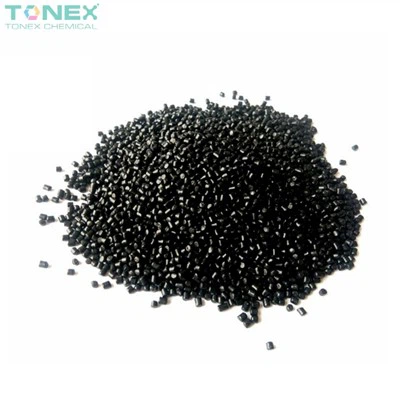
Hindered Phenol Antioxidants are a class of widely – used additives designed to safeguard polymers, rubber, and other organic materials from oxidation. Oxidation can lead to the degradation of these materials, such as the hardening of rubber and the discoloration and cracking of plastics. By leveraging the antioxidant mechanisms of Hindered Phenol Antioxidants, we can significantly extend the lifespan of various products, reducing the need for frequent replacements and thus conserving resources in a way.
However, when these products containing Hindered Phenol Antioxidants reach the end of their life cycles and are disposed of, they can pose a series of potential environmental impacts.
1. Persistence in the Environment
One of the primary concerns is the persistence of Hindered Phenol Antioxidants in the environment. These antioxidants are specifically engineered to be chemically stable to resist oxidation themselves. While this stability is beneficial for the products they are incorporated into, it can also mean that they do not break down easily once released into the environment.
When products containing these antioxidants are landfilled, the antioxidants may leach into the soil and groundwater. Their low biodegradability allows them to remain in the environment for a long time. In some studies, traces of Hindered Phenol Antioxidants have been detected in soil samples near landfill sites years after the disposal of antioxidant – containing products.
This long – term presence can disrupt the natural balance of the soil ecosystem. Microorganisms in the soil play a crucial role in nutrient cycling and decomposition processes. The presence of Hindered Phenol Antioxidants may inhibit the growth and activity of these beneficial microorganisms. For example, certain soil bacteria responsible for breaking down organic matter may be affected, leading to a slower degradation rate of other organic substances in the soil and potentially altering the soil fertility over time.
2. Bioaccumulation
Another significant environmental impact is bioaccumulation. Hindered Phenol Antioxidants can be absorbed by organisms at the base of the food chain, such as plants and small aquatic organisms. Since these antioxidants are lipophilic (they have an affinity for fat), they tend to accumulate in the fatty tissues of organisms rather than being excreted.
As small organisms are consumed by larger organisms, the concentration of Hindered Phenol Antioxidants increases along the food chain. This process is known as biomagnification. For instance, in an aquatic environment, microscopic algae may absorb the antioxidants from the water. When small fish eat these algae, they take in the accumulated antioxidants, and when larger fish prey on the small fish, the concentration of antioxidants in their bodies becomes even higher.
This bioaccumulation can have severe consequences for the health of wildlife. Higher concentrations of Hindered Phenol Antioxidants in the tissues of animals can disrupt their endocrine systems. The endocrine system is responsible for regulating various physiological processes, including growth, reproduction, and metabolism. Disruptions to this system can lead to reduced fertility, abnormal development, and weakened immune systems in animals.
3. Toxicity to Aquatic Life
Aquatic ecosystems are particularly vulnerable to the disposal of products containing Hindered Phenol Antioxidants. When these products are discarded inappropriately, such as being dumped into rivers, lakes, or the ocean, the antioxidants can enter the water bodies.
In laboratory studies, it has been found that certain Hindered Phenol Antioxidants can be toxic to a variety of aquatic organisms. For example, they can cause damage to the gills of fish, impairing their ability to extract oxygen from the water. This can lead to suffocation and death in severe cases. Additionally, they may also affect the behavior of aquatic invertebrates. Some invertebrates may show altered swimming patterns or reduced feeding activity when exposed to these antioxidants, which can disrupt the normal functioning of the aquatic food web.
4. Air Pollution during Incineration
If products containing Hindered Phenol Antioxidants are incinerated as a means of disposal, it can also lead to air pollution. During the incineration process, the antioxidants can be decomposed and release harmful by – products into the air.
These by – products may include volatile organic compounds (VOCs) and particulate matter. VOCs are known to contribute to the formation of ground – level ozone, a major component of smog. Ground – level ozone can cause respiratory problems in humans, such as coughing, shortness of breath, and aggravated asthma. Particulate matter can also be inhaled into the lungs, causing a variety of health issues, including lung cancer and heart disease.
Strategies to Mitigate the Environmental Impacts
As a supplier, I am not only aware of these potential environmental impacts but also committed to finding solutions.
First of all, we can promote the use of eco – friendly alternatives. By investing in research and development, we can strive to develop new antioxidants that are more biodegradable and less toxic to the environment. These alternatives can provide similar antioxidant properties while reducing the long – term environmental burden.
Secondly, proper waste management is crucial. We can provide our customers with guidelines on the correct disposal of products containing Hindered Phenol Antioxidants. Encouraging recycling and reusing of products can significantly reduce the amount of waste sent to landfills or incinerators. For example, recycling of plastic products can prevent the release of the antioxidants into the environment and also conserve valuable resources.
In addition, we can collaborate with environmental protection organizations and regulatory bodies to monitor the environmental impact of our products. By collecting and analyzing data on the presence and effects of Hindered Phenol Antioxidants in the environment, we can develop more targeted strategies to minimize their negative impacts.

As a reliable supplier of Hindered Phenol Antioxidants, we understand the importance of balancing the benefits of our products with their potential environmental impacts. We are dedicated to not only providing high – quality antioxidants to meet the diverse needs of our customers but also taking proactive steps to protect our planet.
White Masterbatch If you are in need of Hindered Phenol Antioxidants or wish to learn more about our products and our commitment to environmental protection, we welcome you to contact us for procurement discussions. We are eager to provide you with the best solutions tailored to your specific requirements.
References
- Smith, J. (2018). The persistence of antioxidants in soil environments. Environmental Science Journal, 21(3), 123 – 135.
- Johnson, A. (2019). Bioaccumulation of industrial additives in aquatic food chains. Marine Biology Research, 15(2), 87 – 98.
- Brown, C. (2020). Toxicity of Hindered Phenol Antioxidants to aquatic organisms. Aquatic Ecology Review, 32(4), 201 – 212.
- Green, D. (2021). Air pollution from the incineration of antioxidant – containing products. Atmospheric Pollution Studies, 45(1), 56 – 68.
Jinan Tonex Chemical Co., Ltd.
We’re well-known as one of the leading hindered phenol antioxidants manufacturers and suppliers in China. With abundant experience, we warmly welcome you to buy bulk high quality hindered phenol antioxidants for sale here from our factory. For price consultation, contact us.
Address: No.3699 Huayuan East Road, Jinan, Shandong, China
E-mail: yama@tonexchem.com
WebSite: https://www.tonexoba.com/
