If you’ve ever stood backstage at a concert, a corporate awards gala, or a regional theater production and watched an LED follow spot light lock onto a performer mid-dance, mid-speech, or mid-frontflip—never waver as the spotlight operator tracks every move, you might think that piece of stage equipment is invincible. As a supplier of LED follow spot lights, I get this question all the time: “We just dropped $X on a new follow spot, why does it start fading after six months?” or “Our old follow spot worked for years, what’s wrong with these new LED ones?” LED Follow Spot Light
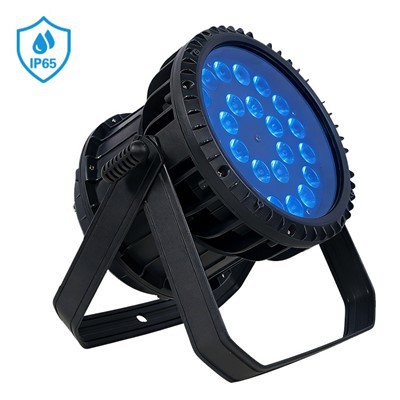
Let me get one thing straight first: LED follow spot lights are not invincible, but they are way more reliable and cost-effective than the old halogen or HMI follow spots they replaced. I’ve been supplying these lights for over a decade now, and I’ve seen firsthand that most issues people blame on “bad LEDs” are actually just poor maintenance. I’ve had customers reach out panicking because their follow spot cuts out mid-performance, only to find out they skipped a $10 filter cleaning or left their light sitting in a dusty storage closet for months. That’s why I’m writing this—no corporate fluff, no overly technical jargon, just the practical, supplier-tested steps we share with every client when they buy one of our LED follow spots. Let’s break down how to keep yours running like the day you uncrated it, show up on cue, and last for years.
First, let’s start with the most common mistake I see new operators and venue teams make: neglecting regular cleaning, especially of the optical and cooling components. This isn’t just about making your light look good for photos—LED follow spots rely on precise light transmission and temperature control to work. Let’s start with the front lens, that clear (or sometimes coated) glass element that faces the stage. Over time, stage dust, smoke residue from fog machines, and even spilled soda or water from backstage crew will build up here. I recommend cleaning the front lens after every 10 hours of use, or at minimum once a month if it’s not in constant rotation. The wrong way to clean it is grabbing a paper towel and Windex—those will scratch the anti-reflective coating we apply to every lens to get that sharp, uniform beam. Use only a microfiber cloth specifically for optical surfaces, and a gentle lens cleaning solution, not regular glass cleaner. If there’s stubborn smoke residue, a tiny bit of isopropyl alcohol (90% or higher works best) on the cloth is safe, just make sure you don’t let any liquid drip down into the light’s body.
Next, the internal optics—these are the mirrors and prisms that shape the beam, adjust the focus, and add any gobos or color effects. These get dirty too, and since they’re inside the light, most people forget to check them until performance quality drops. We recommend opening the light’s access panel (always make sure it’s unplugged and cool first!) every three months, or after 50 hours of use. Use compressed air (the kind designed for electronics, not the strong gas cans that can leave residue) to blow out any dust that’s settled on the mirrors and prisms. If you see smudges, you can use the same microfiber cloth and lens solution, but be super gentle—prisms and mirrors are fragile, and even a tiny scratch can distort your beam. A common issue here: if your beam starts looking fuzzy or has dark spots around the edges, this is almost always dirty internal optics, not a dying LED.
Then there’s the cooling system, which is the single most important part of your LED follow spot’s longevity. LEDs run at their best when kept at a steady, cool temperature—way cooler than halogens, but they still generate heat, and if that heat builds up, it will shorten the LED’s lifespan dramatically. I can’t tell you how many times we’ve gotten a return with a note that says “LED failed after 8 months” and we trace it back to a clogged cooling fan or dust-choked heat sink. The cooling system for our LED follow spots usually has two parts: a variable-speed fan that kicks on when the light gets hot, and an aluminum heat sink mounted directly to the LED chip. Every 20 hours of use, check the fan vents on the side and back of the light—if they’re blocked with dust, gently brush them with a soft paintbrush or blow them out with compressed air. Every six months, you should remove the fan (make sure the light is unplugged!) and check for dust buildup on its blades. If the fan is making a grinding noise when it runs, replace it immediately—operating a light with a bad fan is like running a marathon in a coat, it will kill the LED in no time.
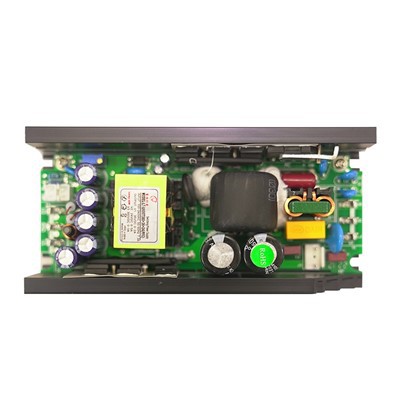
Now, moving beyond cleaning, the next big maintenance step is proper usage and storage. This is something we drill into every client during their onboarding, because even the best LED follow spot will fail if you abuse it. First, don’t turn your follow spot on and off constantly. Unlike incandescent bulbs, LEDs don’t suffer from cold startup damage, but their driver (the electronic component that powers the LED chip) does. Every time you turn the driver on and off, it puts a small amount of stress on the circuitry that adds up over time. We recommend turning the light on at the start of your event, and turning it off only when you’re done with your show—for events that run 8+ hours straight, that’s totally fine, LED drivers are built for that. If you have a short break, you can leave it on low power (most of our follow spots have a standby mode that uses very little energy) instead of cycling it.
Another usage tip: don’t leave your follow spot at full power for long stretches unless you need it. If you’re tracking a performer from a distance, you don’t need the light cranked to 100% brightness—run it at 70-80% power and it will generate less heat, extending both the driver and LED lifespan by 20-30%, according to our in-house testing data. We also recommend avoiding exposing your follow spot to extreme temperatures. If you’re working an outdoor event in the middle of summer, try to keep the light shaded as much as possible, because high ambient temperature adds to the heat the cooling system has to dissipate. If you’re storing it for more than a few weeks, don’t leave it in a hot, dusty backstage closet or a freezing outdoor venue. Store it in a cool, dry place, ideally in its original case— the padded cases we supply for our lights are designed to protect them from dust, moisture, and accidental bumps during transport. One quick storage tip: if you’re putting the light away for more than a month, turn it on for 15 minutes once every two weeks to keep the internal components from seizing up, especially the cooling fan and any moving parts in the focus or tilt mechanism.
Speaking of moving parts—your follow spot has mechanical components too, right? The yoke that lets you tilt the light up and down, the pan mechanism that lets you swing it left and right, the focus knob, and any zoom or gobo controls. These parts need lubrication and inspection just like the ones on a car. Every three months, or after every 100 hours of use, you should inspect the moving parts for any play (wobbling) or stiffness. If the pan or tilt feels gritty when you move it, don’t force it—that can strip the gears or bend the mechanism. Use a dry, light lubricant specifically designed for stage equipment—we supply a small bottle of this with every light we sell, and it’s silicone-based so it won’t attract dust. Avoid regular oil or grease, those will build up and cause more problems than they solve. Also, check the power cord regularly for frays or cuts—stage cords get stepped on, tripped over, and stuffed into cases, so a tiny fray can turn into a dangerous electrical issue. If you see any damage, replace the cord immediately, don’t tape it up and keep using it.
Now, let’s talk about scheduled professional maintenance, not just the daily stuff. I recommend having a certified technician (many of our clients have our team come on-site for their big annual events) do a full inspection once a year, or every 500 hours of use, whichever comes first. This is more than just cleaning—they’ll test the LED’s brightness to make sure it’s within its rated lifespan, check the driver’s voltage output to make sure it’s not overworking, calibrate the focus and color consistency, and replace any worn parts like fan blades or rubber gaskets that keep dust and moisture out. A lot of venue operators think this is an unnecessary cost, but I’ve seen it pay for itself ten times over. We had a client a few years ago who skipped annual maintenance, and their follow spot LED started fading 18 months after purchase; replacing an LED chip costs about 40% of the price of a new light, whereas annual maintenance is less than 5% of that cost. That same client, after we pointed that out, signed up for our annual maintenance plan, and their lights are still running perfectly five years later.
Wait, I know what you’re thinking—what about smoke machines? Fog and haze are common at events, but they can be tough on LED follow spots, right? Let’s address that specifically, because that’s a question I get all the time. If you’re using your follow spot in a venue with smoke or haze, make sure the light is vented properly, and never turn it off immediately after a smoke-heavy show. The smoke residue is hot when it’s inside the light, so if you turn it off right away, that residue will bake onto the internal optics and heat sink. Instead, run the light on low power for 10 minutes after the show to blow out any remaining smoke, then turn it off. Also, avoid using oil-based fog machines—water-based or glycol-based fog is much easier to clean off, and oil-based residue is sticky and way harder to remove from your optics.
Before I wrap this up, let’s go over a quick troubleshooting tip for the most common issue operators face: a light that cuts out mid-show. 9 times out of 10, this isn’t a broken LED, it’s a tripped thermal cutout. All quality LED follow spots have a built-in safety feature that turns the light off automatically if the internal temperature gets too high. Why does this happen? Most often, it’s because the cooling vents are blocked, or the fan is dirty and not working properly. If your light cuts out, unplug it immediately, let it cool down for 15 minutes, check the vents and fan, clean them, and it should work fine. If it keeps cutting out after that, it’s time to call a technician, not replace the whole light.
At the end of the day, maintaining an LED follow spot light isn’t complicated—it’s just consistent. It’s taking 5 minutes after every show to wipe down the lens, 10 minutes a month to check the fans, and scheduling that annual inspection instead of waiting for a disaster to happen. As a supplier, my job isn’t just to sell you a light—it’s to make sure it works for you for as long as possible. If you have questions about maintaining your current LED follow spot, or you’re in the market for a new one that’s built to hold up to the demands of frequent event use, feel free to reach out to our team to discuss your needs. We’re happy to walk you through tailored maintenance plans, answer any questions you have, and help you find the right light for your events.
LED COB Face Light References
Stage Lighting Association. (2021). LED Follow Spot Maintenance Best Practices. Retrieved from industry technical guidelines
Philips Lighting. (2020). Longevity and Thermal Management for High-Power Stage LEDs. Technical Report #SP-LED-008
USITT Technical Standards Program. (2019). Maintenance and Inspection of Portable Stage Lighting Equipment. TSP 100-2019
Guangdong New Start Lighting Co., Ltd.
Guangdong New Start Lighting Co., Ltd. is one of the most professional led follow spot light manufacturers and suppliers in China. Welcome to wholesale durable led follow spot light in stock here and get quotation from our factory. All customized products are with high quality and competitive price.
Address: No.2, Hubin Road, Jiaoxin Village, Shimen Street, Baiyun District, Guangzhou, Guangdong, China
E-mail: newstartkate@gmail.com
WebSite: https://www.newstartlighting.com/
