If you’ve ever worked in industrial warehousing, food processing, chemical manufacturing, or even agricultural storage, you know metal barrels are workhorses—built to last, leak-proof, and sturdy enough to hold hundreds of pounds of liquid or solid goods. But when you’re on the receiving end of a shipment or prepping a barrel for reuse or disposal, removing that tight metal lid can feel like trying to crack a safe with a butter knife. Over 12 years as a metal barrel supplier, I’ve seen coworkers and clients try every trick in the book: pounding screwdrivers, using pliers like weapons, even rigging up makeshift levers out of scrap pipe. Most of these methods end up with dented barrels, scraped knuckles, or a lid that flies across the warehouse (not exactly the safe, efficient win you want). Today, I’m breaking down the science of safe, effective metal barrel lid removal, tailored to the kind of barrels I supply every day—from 55-gallon open-head steel drums to smaller 15-gallon tight-head variants that need a little extra care. Metal Barrel
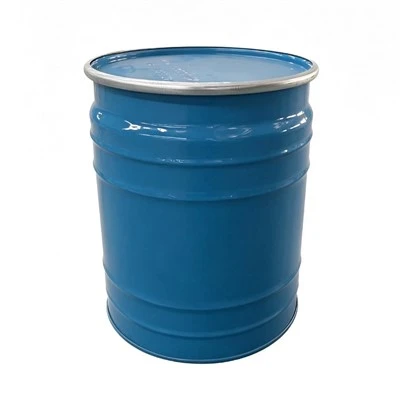
First, let’s start with why metal barrel lids are so stubborn. Almost all standard metal barrels (the ones I stock for industrial and commercial use) use either a pry-off lid (for open-head drums, the kind with a full, removable top) or a plug-style lid (for tight-head drums, which have two smaller bung holes and a tightly fitted, sealed top). The pry-off lids are crimped onto the barrel’s lip during manufacturing using a specialized machine that bends the lid’s edge over the top of the barrel, creating an airtight, tamper-proof seal. That crimp is designed to stay put even when barrels are stacked, rolled, or stored outdoors in rain or extreme temperatures. Even plug-style lids, which thread or press into the bung holes, can seal tight over time if stored in cold conditions or if the barrel’s interior has created a vacuum from evaporating contents. Ignoring these design details is the biggest mistake people make when trying to remove lids. Rushing with a flathead screwdriver and a hammer might work once, but it’s also likely to damage the lid beyond reuse, or bend the barrel’s edge so it can’t be resealed for future storage.
Let’s get into the step-by-step process, starting with the most common case: a standard 55-gallon open-head metal barrel lid, the type I supply for bulk shipping, food-grade storage, and chemical handling. This is the method I’ve trained every warehouse employee and client technician to use over the years, and it cuts lid removal time from an average of 10 minutes per barrel to less than 2, with zero damage to the barrel or lid.
First, gather the right tools—and skip the random stuff. You don’t need a crowbar or a sledgehammer. The only essential tools are a barrel lid opener (sometimes called a drum wrench, specifically designed for metal barrel crimps), a rubber mallet or standard steel mallet, work gloves, and safety goggles. I keep a set of these openers by every loading dock in my warehouse because they’re a game-changer. Why a dedicated opener? A flathead screwdriver is too narrow; it can slip into the crimp gap and gouge both the lid and the barrel, which ruins the barrel’s structural integrity for reuse. A drum wrench has a curved, notched tip that fits perfectly into the 1/8-inch gap between the lid’s crimp and the barrel’s rim, so you apply force exactly where it’s needed, not spread haphazardly.
Next, prep the barrel properly. This step is the part most people skip, but it’s critical. Before you touch the lid, rotate the barrel so the crimped seam is facing up. Run your fingers around the entire seam to feel for any stuck debris—dried paint, dust, or spilled contents that has built up over time. For barrels stored outdoors, I recommend wiping the seam with a rag soaked in warm, soapy water first; cold metal contracts, and any debris can make the crimp tighter. For barrels that have been sealed for a long time (over 6 months), the air inside might have created a slight vacuum, making the lid stick even more. If that’s the case, punch a small hole through the lid near the seam with an awl or the tip of your barrel opener. That releases the pressure, so the crimp doesn’t have to work against a vacuum when you start prying.
Now, the actual removal step: Insert the drum wrench’s notched tip into the gap between the crimp and the barrel’s rim, at a point 1 to 2 inches from the seam’s starting point. Hold the wrench firmly with both hands, so the tip is locked into the gap (it should not slip out). Tap the end of the wrench’s handle gently with the mallet to create a small upward bend in the crimp—only about 1/8 inch, just enough to break the seal. Do this at three or four equally spaced points around the seam, not just one spot. If you pry at one spot repeatedly, you’ll bend the lid out of shape; working around the seam breaks the crimp evenly. Once you’ve made four small bends, go back to your first spot and pry the wrench upward steadily, not with a jerk. The lid should lift evenly from that point; if it gets stuck, tap the wrench’s handle lightly to reposition it in a new part of the gap. As you work your way around the seam, the lid will separate gradually, and you’ll be able to lift it straight off once the last of the crimp is broken.
Wait, what about tight-head metal barrels? The ones I supply for pharmaceuticals, food ingredients, and hazardous materials often have plug-style lids, not pry-off tops, and those work a little differently. Tight-head barrels have two bung holes: a larger 2-inch bung for draining and a smaller ¾-inch bung for venting. If you’re trying to remove the tight plug lid (sometimes called a bung cover), start by figuring out if it’s a threaded plug or a press-fit plug. Threaded plugs are common for liquid barrels; they twist right out, but sometimes they seize up if left untouched for months. For seized threaded plugs, you can use a strap wrench (not pliers—they’ll scratch the metal, which is a big issue for food-grade barrels that need to stay compliant with FDA standards) to grip the plug and twist it counterclockwise. If it still won’t budge, a tiny shot of food-grade silicone spray (for food-grade barrels) or a light lubricant like WD-40 (for industrial barrels) around the base of the plug will loosen it in 5 minutes. For press-fit plugs, which are often used for solid materials or hazardous goods, you’ll need a small pry bar to work the edge of the plug up from the bung hole, again, working evenly around the circumference to avoid bending the plug.
Now, let’s cover the mistakes you should avoid at all costs, because I’ve seen every single one cost clients time and money. First, never use a screwdriver and hammer as a makeshift opener. I once had a client bring in a 55-gallon barrel they’d ruined trying to pry the lid with a flathead; they ended up with a crimp that was so mangled, the barrel couldn’t be resealed, and they had to pay for a new barrel on top of wasting hours on a bad lid. Second, don’t pry the lid up at one single point. That creates uneven stress, which can bend the lid so bad it’s useless, or even crack the barrel’s metal edge. Third, skip the sledgehammer entirely. I’ve seen a forklift driver try to knock a lid off a barrel with a sledgehammer, and the lid flew off, hit a 10-foot beam, and bounced back, almost hitting a coworker. Safety is non-negotiable, and that method is a hazard waiting to happen.
Another tip from years in the business: If you’re planning to reuse the barrel or the lid (something many clients do for storage or shipping), invest in the right tools. I sell affordable, durable drum wrenches and strap wrenches that last for hundreds of lid removals, way more than a $5 screwdriver will. For food-grade barrels, we even carry food-safe lubricants and specialized bung wrenches that meet regulatory standards, so you don’t risk contaminating your product.
Let’s also talk about special cases, because not all metal barrels are the same. For barrels that have been stored in freezing temperatures, the crimp can become brittle, so you’ll want to warm the seam gently first. A hair dryer set to low heat, or even placing the barrel in a heated area for 15 minutes, will loosen the crimp without damaging the metal. For barrels that have held solids (like grains or powders), the lid might be sealed with a food-grade sealant; you can gently scrape the sealant off around the edge with a plastic scraper before using the drum wrench, which makes removal much easier.
Now, after you’ve removed the lid, there’s one final step that a lot of people miss: Inspect both the lid and the barrel for damage. If the crimp is still intact, you can reseal the barrel for storage, which cuts down on waste and saves you money. If the lid is bent or scratched, it’s still reusable for non-food purposes or as a temporary cover, instead of sending it to a landfill. That’s a win-win for your budget and the environment, something we always prioritize as a supplier of industrial metal packaging.
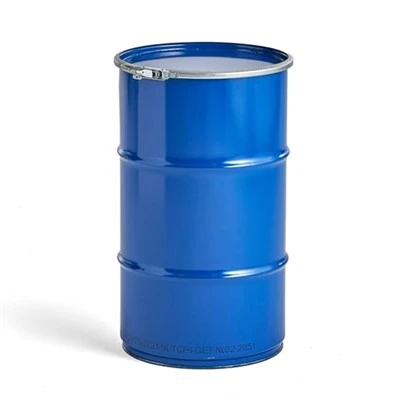
At the end of the day, removing a metal barrel lid isn’t about brute force—it’s about working with the design of the barrel, not against it. The crimp and bung lids are built to be tough, but with the right tools and a method that spreads force evenly, you can remove a lid quickly, safely, and without ruining the barrel.
Steel Barrel If you’re in need of reliable metal barrels for your operation, whether you’re shipping bulk goods, storing food-grade materials, or handling industrial chemicals, we have a full range of sizes and types to fit your needs. We also carry all the tools and supplies you need for safe barrel handling, from drum wrenches to food-grade lubricants, to keep your process running smoothly. Reach out to our team to discuss your specific requirements and get a tailored quote, so you can stock up on barrels and the right accessories for your work.
References
- Occupational Safety and Health Administration (OSHA). "Hazard Communication Standard: Metal Barrel Handling and Lid Removal." 29 CFR 1910.1200, 2021.
- Steel Shipping Container Institute. "Best Practices for Metal Barrel Maintenance and Lid Removal." National Steel Packaging Association, 2020.
- Food and Drug Administration (FDA). "Standards for Food-Grade Metal Packaging Materials." 21 CFR Part 117, 2022.
- American National Standards Institute (ANSI). "Safety Standards for Industrial Drum Handling Equipment." ANSI MH30.11, 2019.
Anhui Lining Packaging Container Co., Ltd.
We are one of the most professional metal barrel manufacturers and suppliers in China, also support customized service. Please rest assured to wholesale bulk high quality metal barrel in stock here from our factory. If you have any enquiry about quotation, please feel free to email us.
Address: Maodikou Village, Dangshan County, Anhui Province
E-mail: In13905677285@126.com
WebSite: https://www.liningpack.com/
