If you’ve ever bent over to tie your shoes only to be hit with a dull, throbbing ache in your lower back, or found yourself struggling to stand upright for more than a few minutes before needing to lean against a wall, you might be familiar with the subtle, nagging symptoms of spinal stenosis. For the 1 in 10 adults worldwide living with this condition—most of whom are over 50, though younger cases from injury or congenital defects are not unheard of—the discomfort can go far beyond temporary soreness. Spinal stenosis occurs when the spaces within the spine narrow, putting pressure on the spinal cord and the nerve roots that branch off it, leading to pain, numbness, or weakness in the legs, arms, or even bladder and bowel function in severe cases. Spine Instruments
For many patients, the first line of treatment is conservative: physical therapy, pain medication, epidural steroid injections, or lifestyle adjustments like maintaining a healthy weight and avoiding high-impact activities. But when these measures stop delivering relief, the conversation turns to surgical intervention—and that’s where spinal instruments come into play. As someone who’s spent years working as a spine instruments supplier, I’ve seen firsthand how these specialized tools aren’t just metal implants or surgical gadgets; they’re precision-engineered solutions designed to not only correct the structural issues causing stenosis but also restore function and improve patients’ quality of life.
Let’s break this down simply, no medical jargon that leaves you scratching your head. The core problem with spinal stenosis in most surgical cases is either degenerative: the spinal bones, or vertebrae, have worn down over time, leading to bone spurs that protrude into the spinal canal, or the soft tissues like herniated discs have bulged outward, narrowing the space. In some cases, the spine may also have become unstable—a condition called spondylolisthesis, where one vertebra slips over the one below it, adding to the compression. Surgeons can’t just “widen” the space with their hands; they need tools that let them work safely in the tight, delicate area around the spinal cord. That’s where our instruments step in.
Take decompressive laminectomy, one of the most common surgeries for stenosis. During this procedure, surgeons remove the lamina—a thin, bony plate that forms the back part of the vertebra—to create more space in the spinal canal. But before they can remove the lamina, they need to isolate it from the surrounding ligaments and other soft tissue without nicking the nerve roots or spinal cord. That’s where our high-precision rongeurs and curettes come in. Unlike generic surgical tools, spine-specific rongeurs have thin, angled jaws that fit into the confined space around the vertebra, letting surgeons carefully chip away at the excess bone spurs or lamina without causing unnecessary damage. I’ve talked to dozens of surgeons who tell me that using non-specialized tools for this step often leads to longer operating times and higher risk of complications, because the tools are too bulky to work in the tight areas. Our instruments are designed for exactly that: targeted access to the structures causing the compression.
Another common procedure for stenosis is spinal fusion, often paired with decompression, especially when there’s instability like spondylolisthesis. After removing the excess tissue or bone that’s compressing the nerves, surgeons need to hold the vertebrae in a fixed position while they heal, so they don’t slip back and narrow the canal again. That’s where spinal instrumentation systems—screws, rods, and plates, along with the tools to place them—are critical. Let’s walk through that process: first, surgeons use our pedicle screw drivers to place titanium screws into the pedicles, the strong bony structures on the sides of the vertebra that act as an anchor. Then, they use rod cutters and benders to shape a metal rod to match the natural curve of the patient’s spine, connecting the screws on either side of the affected area. The key here is precision: if the screws are placed at the wrong angle, they could pierce the spinal cord or a blood vessel, leading to serious complications. Our instruments are calibrated to help surgeons place screws accurately, even in smaller vertebrae or patients with denser bone, and the benders let them contour the rods to fit each patient’s unique anatomy, not a one-size-fits-all shape.
You might be wondering, why can’t surgeons just use plates or screws from a general orthopedic supply? The answer is in the design. Spine instruments are engineered to account for the spine’s unique movement and load-bearing. The spine isn’t a rigid straight rod; it has curves that support movement, and the instruments need to mimic that slightly flexible structure to avoid putting too much stress on adjacent vertebrae, which can lead to another problem called adjacent segment disease, where the parts of the spine next to the fusion start wearing out faster. For example, our rod systems are made of titanium alloy that’s strong but also has a small amount of flexibility, so it doesn’t transfer all the load away from the fused area, reducing strain on nearby vertebrae. Surgeons we work with often tell me that when they use specialized spine instruments, the fusion rates are higher—meaning the bone heals properly, and the patient’s pain relief lasts longer.
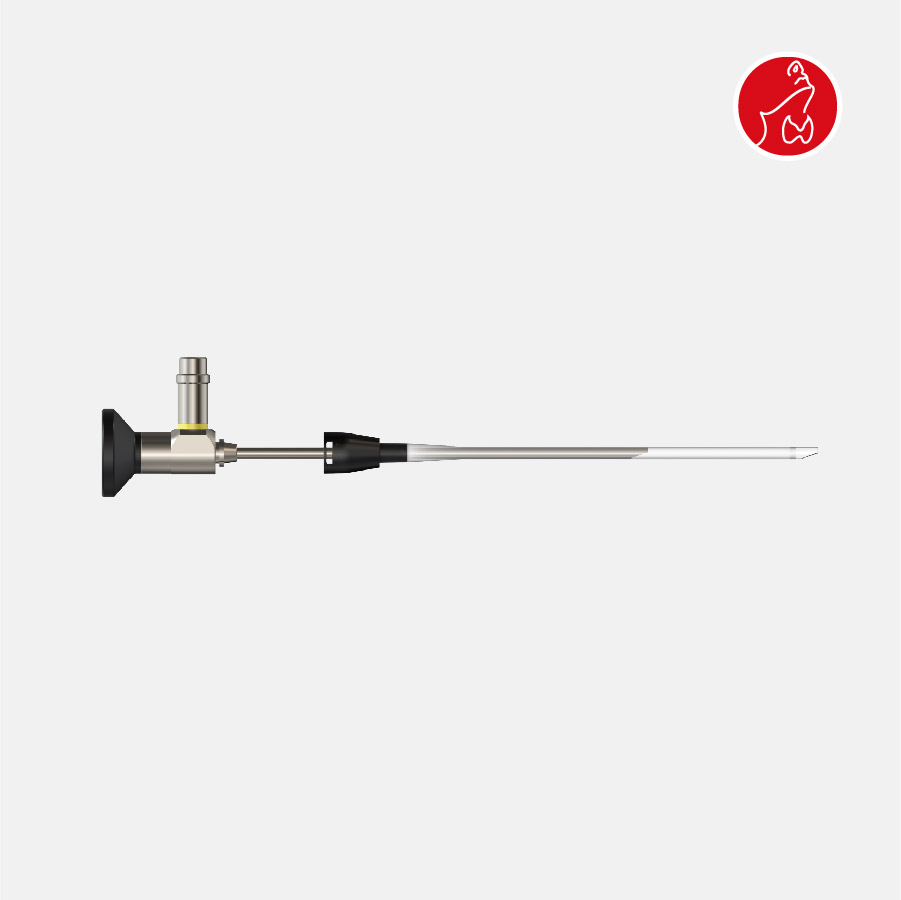
But it’s not just the big, obvious tools like screws and rods. There’s a whole ecosystem of smaller instruments that make the correction safe and effective, especially for minimally invasive spine surgery (MIS), which has become more popular in recent years because it leads to smaller incisions, less blood loss, and shorter recovery times. For MIS procedures, instead of a large open cut down the middle of the back, surgeons make small 1-2 inch incisions and use a camera (like an endoscope) to guide their work. Our MIS tools are designed to be slim and work through those small incisions. For example, our tubular retractors are metal tubes that hold the tissue apart, creating a narrow, clear path to the spine without cutting through large muscle groups—something that would be impossible with a regular surgical retractor. We also have small, handheld dissectors that let surgeons gently separate soft tissue from the spine, minimizing damage that can lead to post-operative pain. I remember speaking to a patient who had an MIS procedure for lumbar stenosis; her surgeon told me that using the right tubular retractor meant she only stayed in the hospital one night, instead of three, and was back to walking the next day. That’s the impact our instruments can have, even beyond the surgical correction.
Of course, no two cases of stenosis are the same, which is why our instruments aren’t a one-off product. We work closely with surgeons and hospitals to offer customizable solutions. For example, some patients have smaller vertebrae, often younger patients or people with smaller frame sizes, so we make pedicle screws in smaller diameters and lengths to fit those anatomy needs. For patients with osteoporosis, where bones are weaker, we have specialized screws with a larger surface area to distribute the load evenly, reducing the risk of the screw pulling out of the bone. We also provide sterile sets that are tailored to specific procedures—so a surgeon doing a laminectomy gets exactly the tools they need for that step, not a box full of unrelated items, which saves time during surgery.
I know it’s easy to look at these instruments and see just metal and plastic, but there’s a lot of science behind their design. For example, our curettes (the tools used to scrape away bone or tissue) have sharp, precision-ground edges that let surgeons remove exactly the amount of tissue needed to widen the spinal canal, without damaging the dura mater—the thin membrane that surrounds the spinal cord. One small nick in the dura can lead to cerebrospinal fluid leaks, which might require additional surgery to fix, so the tool’s edge angle and sharpness are tested extensively to minimize that risk. We also work with biomechanical engineers to test our instruments under the same conditions a spine would face during daily movement, making sure they’re strong enough to hold the spine in place long enough for fusion, but not so rigid that they cause unnecessary stress.
But let’s be clear: spine instruments don’t work in isolation. They’re part of a larger surgical plan that includes the surgeon’s skill, pre-operative imaging (like MRI and CT scans that map the exact location of the stenosis), and post-operative care. A good instrument won’t fix a bad surgical plan, but a bad instrument can derail even the best surgeon’s efforts. That’s why we focus so much on partnering with the medical community—we don’t just sell tools; we listen to what surgeons need, we provide training on how to use our instruments safely and effectively, and we update our products based on feedback from the people who use them every day.
For example, a few years ago, a group of spine surgeons told us that they were struggling with rod insertion in patients with very curved spines—standard rod benders couldn’t get the curve just right, leading to extra time adjusting during surgery. We worked with our engineering team to develop a modular rod bender that lets surgeons adjust the curve incrementally, instead of bending the entire rod at once, so they can match the patient’s natural spine curve exactly. The first set of these benders was used in 2021, and the surgeons reported that rod insertion time was cut by almost 20% for those cases. That’s the kind of innovation we’re passionate about—solving real problems that surgeons and their patients face.
Now, I know many people reading this might be going through the process of finding treatment for spinal stenosis, or a hospital administrator looking for the right suppliers to work with. If you’re a patient, it’s important to know that the quality of the instruments used in your surgery can impact your outcome, so don’t be afraid to ask your surgeon about the tools they use. For healthcare providers, choosing a spine instruments supplier isn’t just about cost—it’s about reliability, precision, and support. The right supplier will work with you to understand your needs, provide consistent, high-quality instruments, and offer training to your surgical team.
If you’re a healthcare provider looking to source spine instruments tailored to your facility’s needs, or a surgeon wanting to learn more about how our tools can support your stenosis correction procedures, we’re here to help. We offer customized instrument sets, flexible training sessions, and consistent, sterile products designed to meet the unique needs of each patient and procedure.

For more information about our spine instruments and how they assist in the correction of spinal stenosis, or to discuss procurement for your facility, please reach out to us to schedule a consultation.
Otology Surgical Power Systems References:
- American Academy of Orthopaedic Surgeons. (2023). Degenerative Lumbar Spinal Stenosis: Treatment Guidelines.
- Weinstein, J. N., et al. (2008). Surgical versus Nonsurgical Treatment for Lumbar Spinal Stenosis. New England Journal of Medicine.
- Kim, J. S., et al. (2021). Minimally Invasive Versus Open Spinal Fusion for Lumbar Stenosis: A Systematic Review and Meta-Analysis. Spine Journal.
- National Institute for Health and Care Excellence (NICE). (2022). Spinal Instruments for Spinal Surgery: Clinical Effectiveness.
Jiangsu Bonss Medical Technology Co., Ltd.
As one of the most professional spine instruments manufacturers and suppliers in China, we’re featured by quality products and good price. Please rest assured to buy bulk spine instruments for sale here from our factory. Customized orders are welcome.
Address: Building #7,No.898,China Medical City Avenue, Haling District, Taizhou City.Jiangsu P.R. China
E-mail: inquiry@plasma-surgical.com
WebSite: https://www.bonssmedical.com/
